Plain-English writing on advisor selection, fees, and planning
We publish short, opinionated guides on what to ask, what to avoid, and how to read fee disclosures without a finance degree. No affiliate placements, no AI-generated summaries of whitepapers — just what we've learned helping people find advisors.
Showing 27 of 27 articles
-
Financial Advisor vs. Robo-Advisor: Which Is Right for You?
Robo-advisors charge a quarter of what humans charge and do most of the basic work just as well. The decision isn't really cost — it's complexity. Here's how to tell which side of that line you're on.
Read -
Emergency Fund Guide: How Much Is Enough?
Three to six months of expenses" is the standard answer. It's also wrong for most people. Here's how to size an emergency fund based on your actual situation, not a generic rule.
Read -
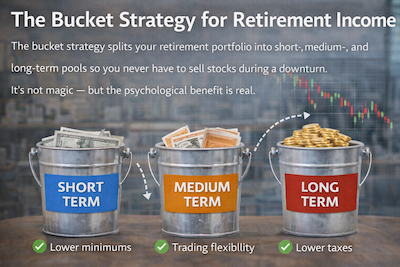
The Bucket Strategy for Retirement Income
The bucket strategy splits your retirement portfolio into short-, medium-, and long-term pools so you never have to sell stocks during a downturn. It's not magic — but the psychological benefit is real.
Read -
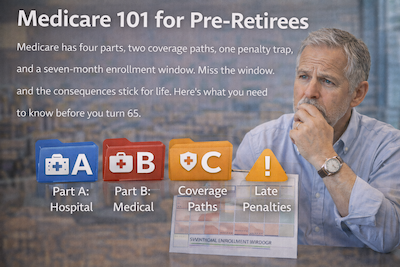
Medicare 101 for Pre-Retirees
Medicare has four parts, two coverage paths, one penalty trap, and a seven-month enrollment window. Miss the window and the consequences stick for life. Here's what you need to know before you turn 65.
Read -
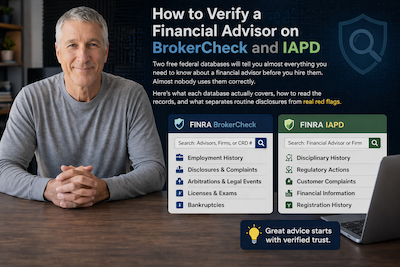
How to Verify a Financial Advisor on BrokerCheck and IAPD
Two free federal databases will tell you almost everything you need to know about a financial advisor before you hire them. Almost nobody uses them correctly. Here's what each database actually covers, how to read the records, and what separates routine disclosures from real red flags.
Read -
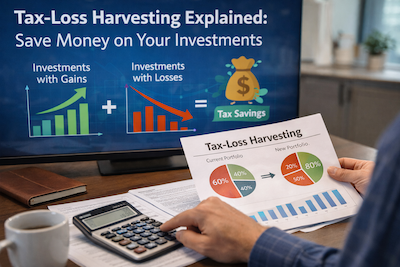
Tax-Loss Harvesting Explained: Save Money on Your Investments
Tax-loss harvesting is one of the most effective strategies for reducing your investment tax bill. Learn how it works, when to use it, and the rules you need to follow.
Read -

When Should You Start Working with a Financial Advisor?
Many people wait too long to hire a financial advisor. Learn the life events and financial milestones that signal it's time to get professional help — and why starting earlier often pays off.
Read -
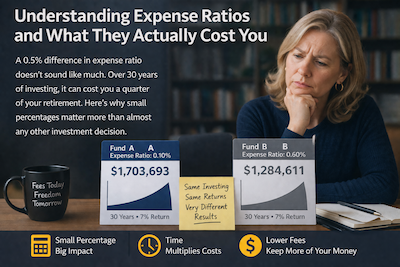
Understanding Expense Ratios and What They Actually Cost You
A 0.5% difference in expense ratio doesn't sound like much. Over 30 years of investing, it can cost you a quarter of your retirement. Here's why small percentages matter more than almost any other investment decision.
Read -

Financial Planning for Newlyweds: A Getting Started Guide
Marriage merges two financial lives whether or not you do anything about it. The couples who thrive financially aren't the ones with the most money — they're the ones who had the awkward conversations early.
Read -
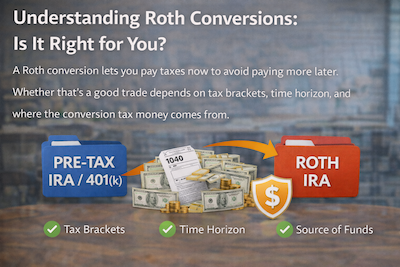
Understanding Roth Conversions: Is It Right for You?
A Roth conversion lets you pay taxes now to avoid paying more later. Whether that's a good trade depends on tax brackets, time horizon, and where the conversion tax money comes from.
Read -
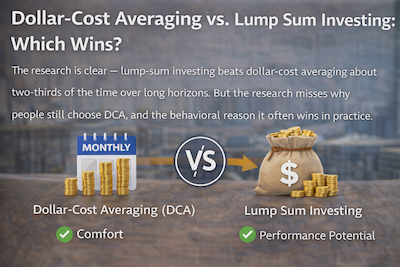
Dollar-Cost Averaging vs. Lump Sum Investing: Which Wins?
The research is clear — lump-sum investing beats dollar-cost averaging about two-thirds of the time over long horizons. But the research misses why people still choose DCA, and the behavioral reason it often wins in practice.
Read -

Understanding Asset Allocation by Age
The "100 minus your age" rule for stocks vs. bonds is older than the data we now have on longevity, returns, and behavioral finance. Here's a more honest framework for thinking about allocation across decades.
Read -
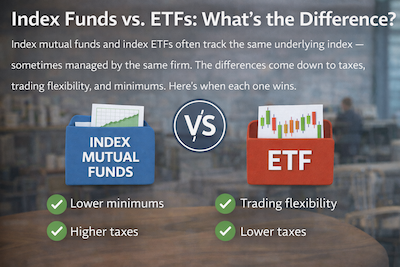
Index Funds vs. ETFs: What's the Difference?
Index mutual funds and index ETFs often track the same underlying index — sometimes managed by the same firm. The differences come down to taxes, trading flexibility, and minimums. Here's when each one wins.
Read -
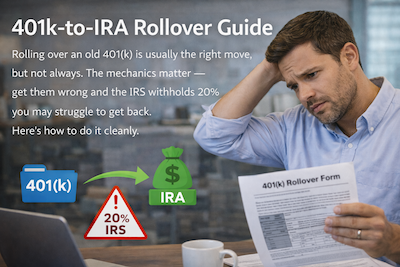
401(k) to IRA Rollover: A Step-by-Step Guide
Rolling over an old 401(k) is usually the right move, but not always. The mechanics matter — get them wrong and the IRS withholds 20% you may struggle to get back. Here's how to do it cleanly.
Read -
Understanding the CFP Designation: What It Means for You
The CFP (Certified Financial Planner) designation is the gold standard in financial planning. Learn what it takes to earn, why it matters, and how to verify that your advisor holds it.
Read -

Red Flags: How to Spot a Bad Financial Advisor
Not every financial advisor has your best interests at heart. Learn the warning signs of a bad advisor — from guaranteed returns to high-pressure tactics — and how to protect yourself.
Read -

Security Checklist for Your Financial Accounts: A Technologist's Perspective
Most people apply email-tier security to accounts holding the output of thirty years of work. That's a mistake. Here's the practical, prioritized security checklist I'd actually apply — and a few things the checklists online usually get wrong.
Read -

How Much Do You Need to Retire? A Realistic Framework
The "25 times your expenses" rule is a starting point, not an answer. Real retirement planning has to account for Social Security, healthcare, longevity, and what your money is actually replacing.
Read -
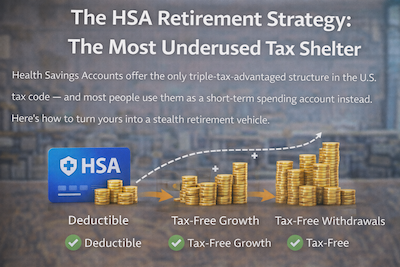
The HSA Retirement Strategy: The Most Underused Tax Shelter
Health Savings Accounts offer the only triple-tax-advantaged structure in the U.S. tax code — and most people use them as a short-term spending account instead. Here's how to turn yours into a stealth retirement vehicle.
Read -
What Is a Fiduciary Financial Advisor?
A fiduciary financial advisor is legally obligated to act in your best interest. Learn what fiduciary duty means, why it matters, and how to verify that your advisor is a fiduciary.
Read -
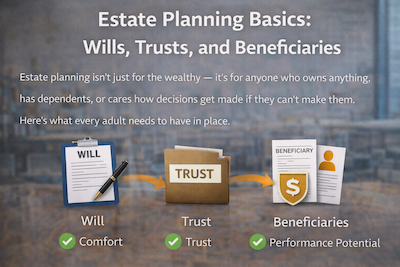
Estate Planning Basics: Wills, Trusts, and Beneficiaries
Estate planning isn't just for the wealthy — it's for anyone who owns anything, has dependents, or cares how decisions get made if they can't make them. Here's what every adult needs to have in place.
Read -

15 Questions to Ask a Financial Advisor Before You Hire
Interviewing a financial advisor is one of the most important steps in the hiring process. These 15 questions will help you evaluate credentials, uncover conflicts of interest, and find the right fit for your financial goals.
Read -

How to Choose a Financial Advisor: A Complete Guide
Choosing the right financial advisor is one of the most important financial decisions you'll make. This guide walks you through credentials, fee structures, fiduciary duty, and the key questions to ask before hiring an advisor.
Read -

How Much Does a Financial Advisor Cost? A Complete Fee Guide
Financial advisor fees vary widely depending on the compensation model, services provided, and your portfolio size. This guide breaks down every fee type so you know exactly what to expect.
Read -

Social Security Optimization: When to Claim for Maximum Benefits
The decision of when to claim Social Security can mean a difference of hundreds of thousands of dollars over your lifetime. Learn the key factors that determine your optimal claiming age.
Read -

Fee-Only vs. Commission-Based Advisors: What You Need to Know
Not every financial advisor has your best interests at heart. Learn the warning signs of a bad advisor — from guaranteed returns to high-pressure tactics — and how to protect yourself.
Read -
How to Switch Financial Advisors Without Losing Money
Leaving an advisor is harder than hiring one. A careful switch protects your tax position, preserves your investments, and avoids surrender charges. Here's how to do it cleanly.
Read